
What I have loved most about entering ports in Africa–– or any country we have visited–– are the local fishing boats in the waters around the ship, the Captain often sounding the horn for one of these leafs in the water to move out of the way.

Each country has a slightly different design, crafted through centuries of tradition to serve a unique purpose based upon the waters they navigate and the catch they are after.
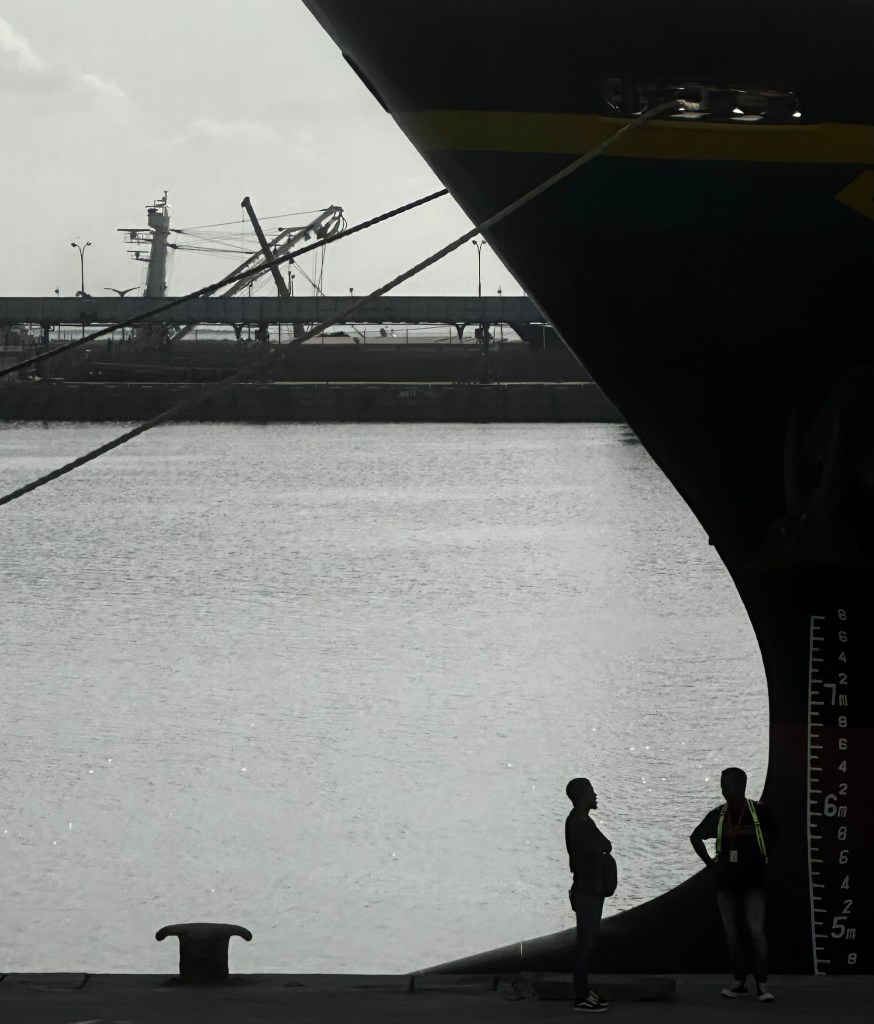
Accra is the Capital of Ghana, located along the southern coast (Gold Coast) in the Atlantic and hosts a very busy commercial port.
When the indigenous off Ghana’s southern coast, the Ga, witnessed the sub-Saharan people arriving by boat, they shouted out, “Nkran!” in their native language of Akan, referring to these invading tribes as, “soldier ants.”
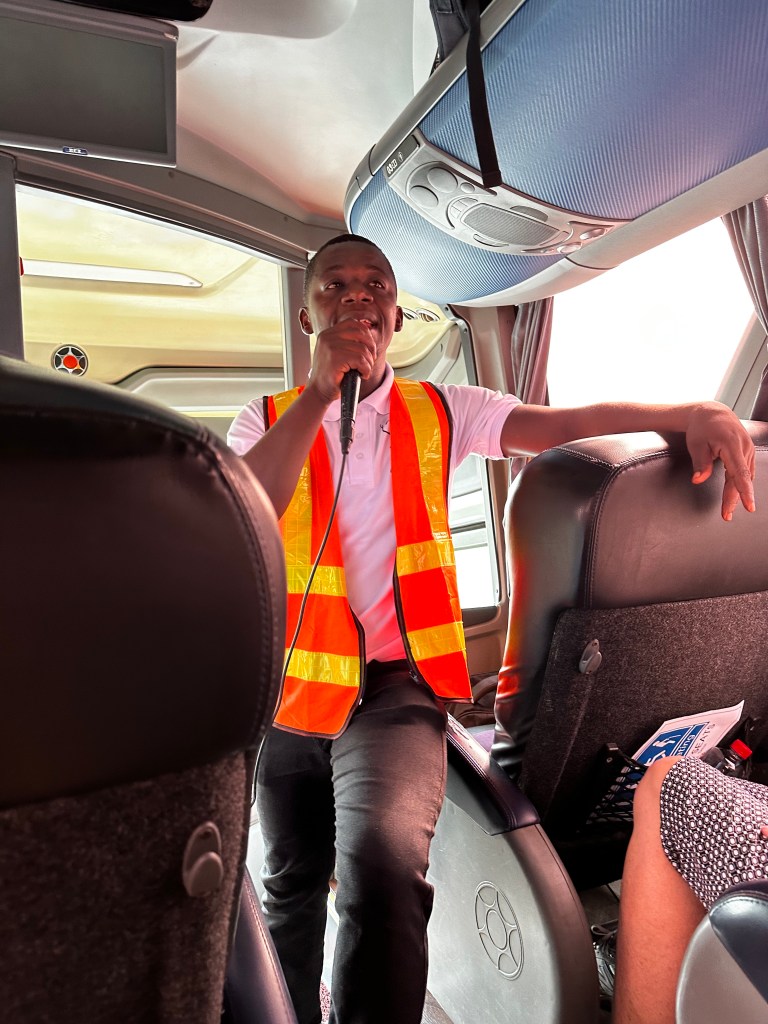
Accra is the Akan word for ants and somehow the invaders thought they were referring to the Ga territorial name. Wikipedia has a different story in that there are a lot of ant mounds in the southern region and that is why this city was named Accra. I tend to believe our local guide, Foster, who was well educated and a historian of his culture and region.

That said, when you drive through this region and see the activity along the streets and markets, leaf carrying ants do come to mind.
We set out today on our excursion to the Krobo region, where the Ashanti and Krobo people are known for making glass beads. On the way there we crossed the Prime Meridian–– a first for us seeing an actual mark on the ground.
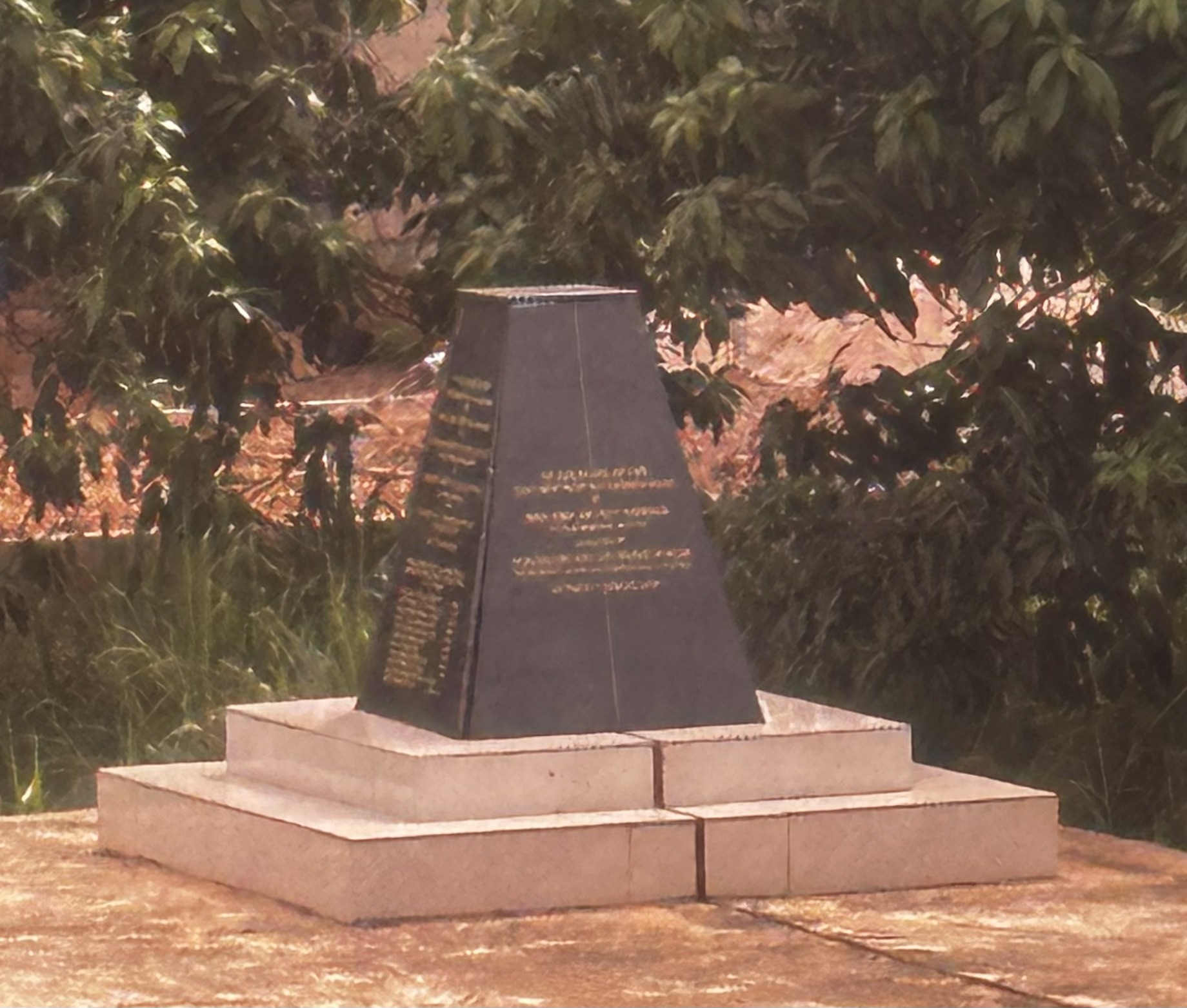

Unfortunately there is no “land” location on Earth indicating where both the Prime Meridian and Equatorial lines cross, but we did get close in this region. The equatorial line passes through the small island south of São Tomé, which was our previous port.
Often these excursions are distant and in this case the Krobo region was 1.5 hrs away, on substandard roads that are better equipped for 4×4 vehicles and not a luxury bus. Add to that most of us are wearing long pants, long sleeves and hats in conditions of high humidity and heat because these regions are at greater risk for malaria. The Ship does offer shots for Malaria and Yellow Fever. Fortunately today, we had a nice luxury bus with comfortable seats and AC.
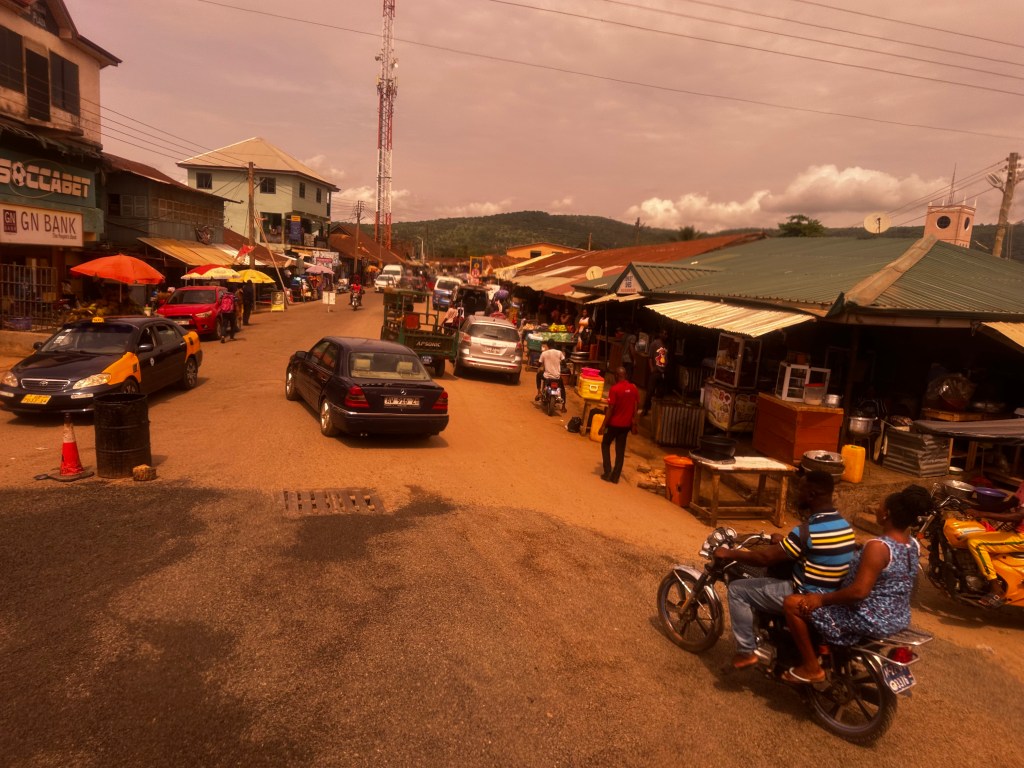
Getting to the Krobo region is a study of human-kind; a field trip, in essence, of our Enrichment Speakers talks of these regions. This is why we love Crystal so much, spending sea days learning from notable speakers of the locations, cultures and political structures of the places we will be visiting. I will talk more on this on my next post, which is a second stop in Ghana.
The Ashanti and Krobo people are known for their superior glass beads. The entire process is made by hand from start to end with no electrical or battery powered tools used.

It starts with a termite mound. When termites excavate the soil, bringing up the pure clays, and mix with it the enzymes of their saliva, it strenghtens the mounds to withstand the harsh elements above.

The artisons use this material to form molds, which look like miniature escargot ramekins. There was a shed I first thought was filled with trash, but as I got closer, I realized it was filled with recycled bottles. This is where the glass comes from to make these beads. Like most countries we have visited, there exists very little waste management infrastructure so there is an endless resource of glass one can pick up from the side of the road where they are discarded in heaps.
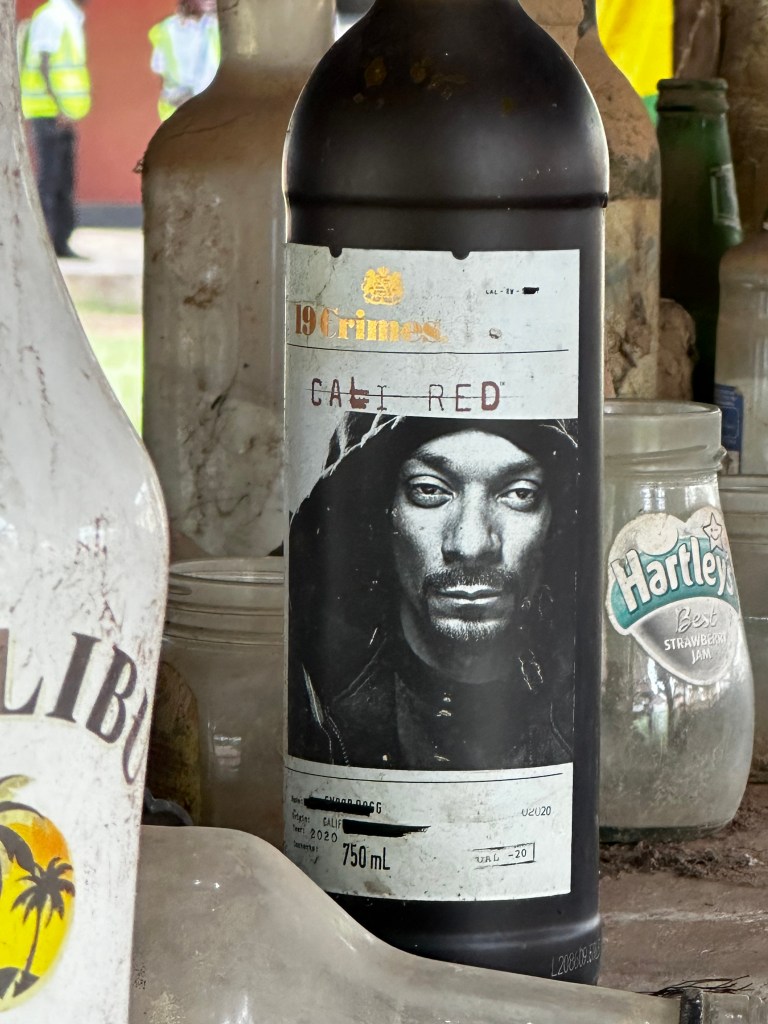
Some lucky future bead owner is going to get a neckless or bracelet composed of a Snoop Dog Wine bottle. The bottles are selected for their color and placed into a large metal crucible and pounded to a dust. Pigments are added to clear glass as well.

The process of designing a bead is almost identical to sand art in bottles. In the image, you can see a shot glass with a design–this was for demonstration purposes only so we could see how the design was layered. You have to think in 3D when layering these materials.

The ramekins are then fired in the kiln until soft. They are brought out and the artist, using two fine ice pics, punches a hold down the center and swirls it slowly in the ramekin as it begins to form and harden.

Voila! Beads. Once the beads have cooled, they are placed on a stone with sands and rolled until polished smooth. Then they are strung in necklaces, bracelets, garnishes for bowls, or just placed in bins for other artists to assemble.
This is where we come in. One insight I can share with you are the guests aboard the Crystal Serenity on these types of excursions. They are often artistic, have an eye for the unique and well made goods, but most importantly, we know that contributing to these greatly needed economies are important to the people in them. If there is a market involved, we are there. It’s a fun group and walking through the gauntlet back on the bus at the end of a market spree–– open bag of goods on display–– is a pageant.
Mae, who is one of the most gifted and talented individuals we have met would not leave this place–– we last heard her state we would have to pry her cold, dead hands away from here.
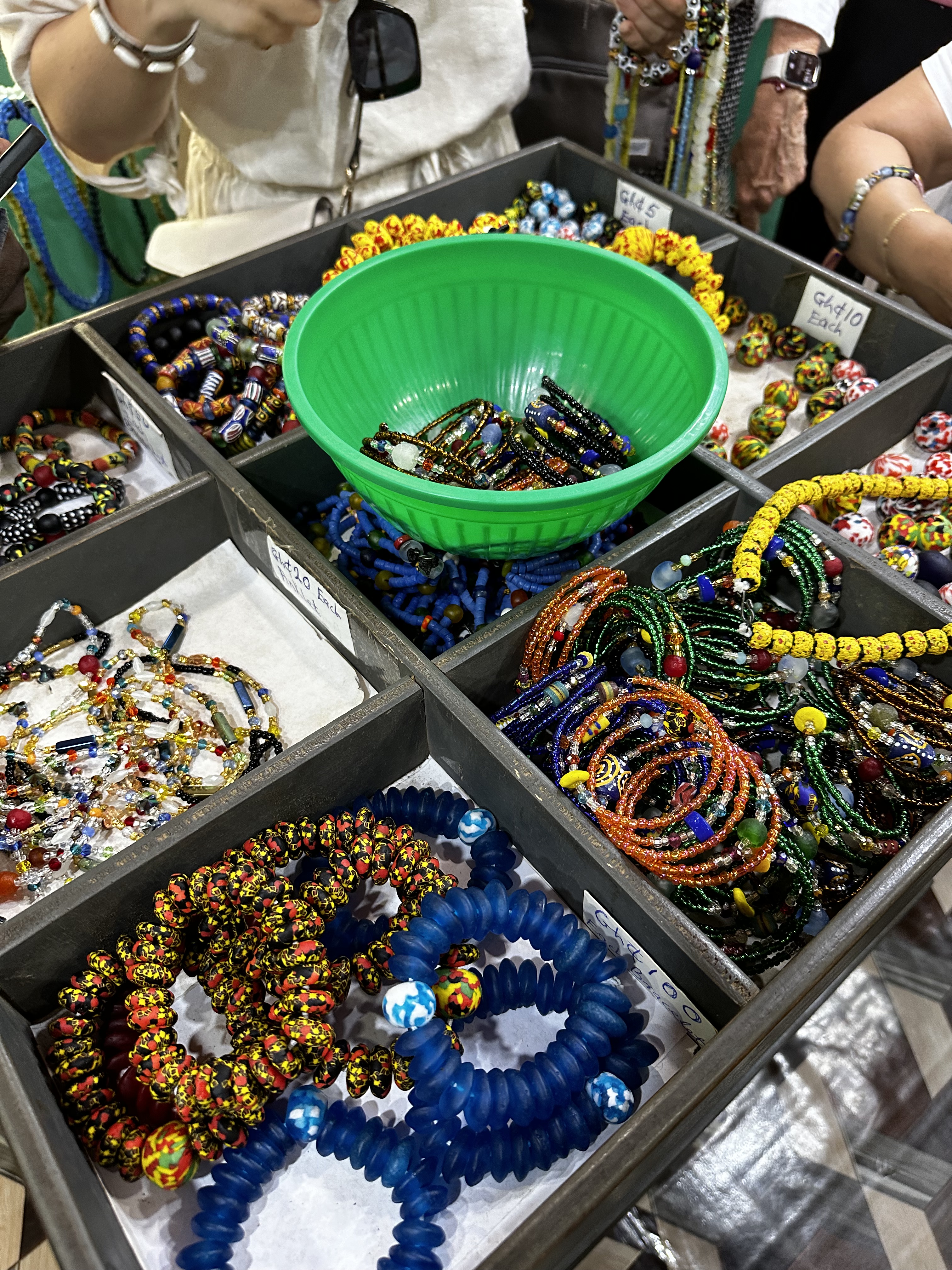

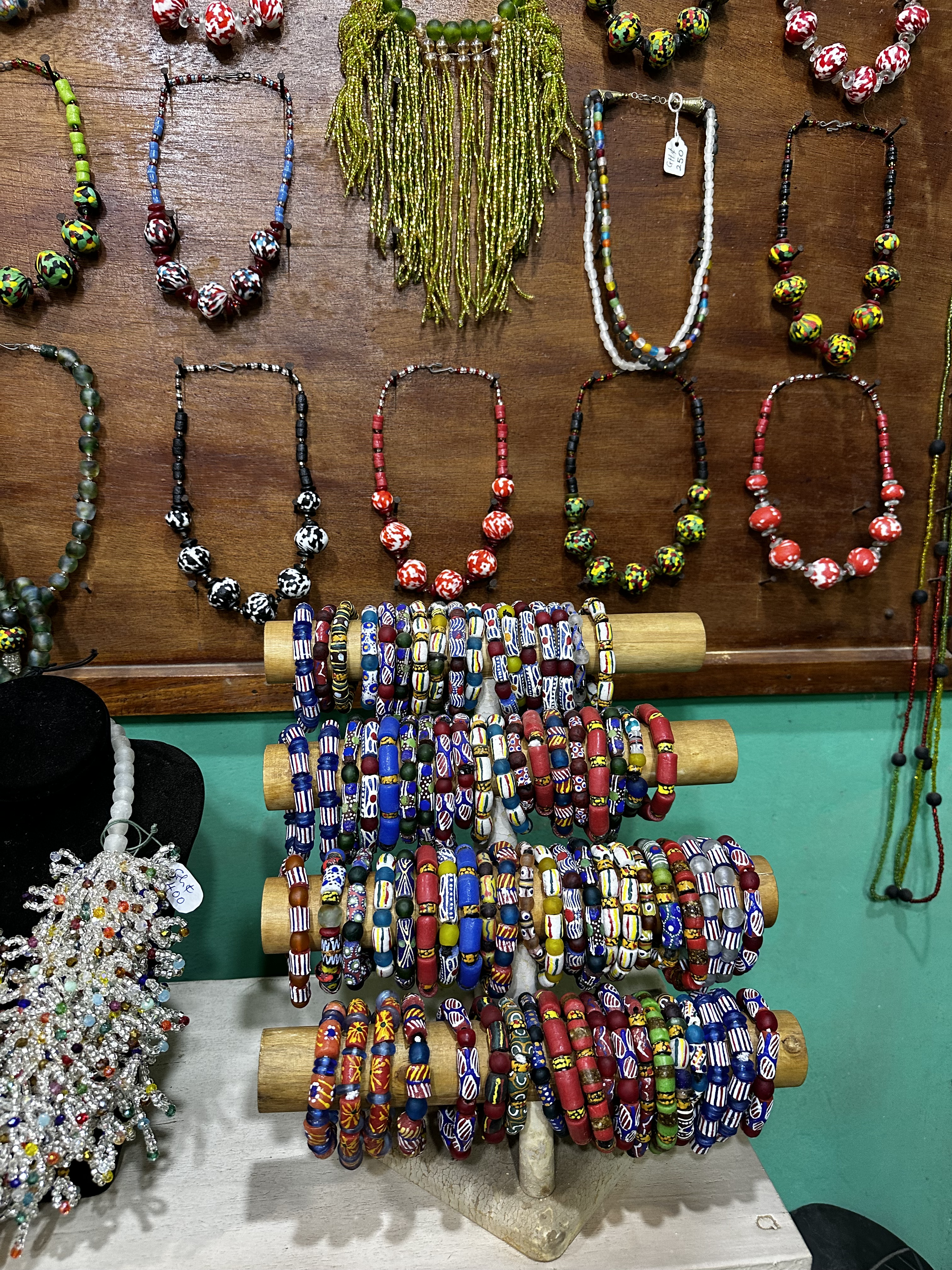
I was wondering where the Ashanti and Krobo got their inspiration for the designs on their beads. That was not solved until later on our tour, visiting a botanical garden I observed two flying insects mating. This is where nature inspires art.


Our next stop was for lunch about an hour away.

But to get there we were traveling along the rural roads where patches of settlements spring forth, one after the other, their storefronts reaching into the streets, making it almost impassible at times.

At first everything seems bare and monochromatic. But you begin to see the color of the the roads, the rusted rooftops and the people themselves, and it becomes more beautiful, the color impossible to recreate artificially..
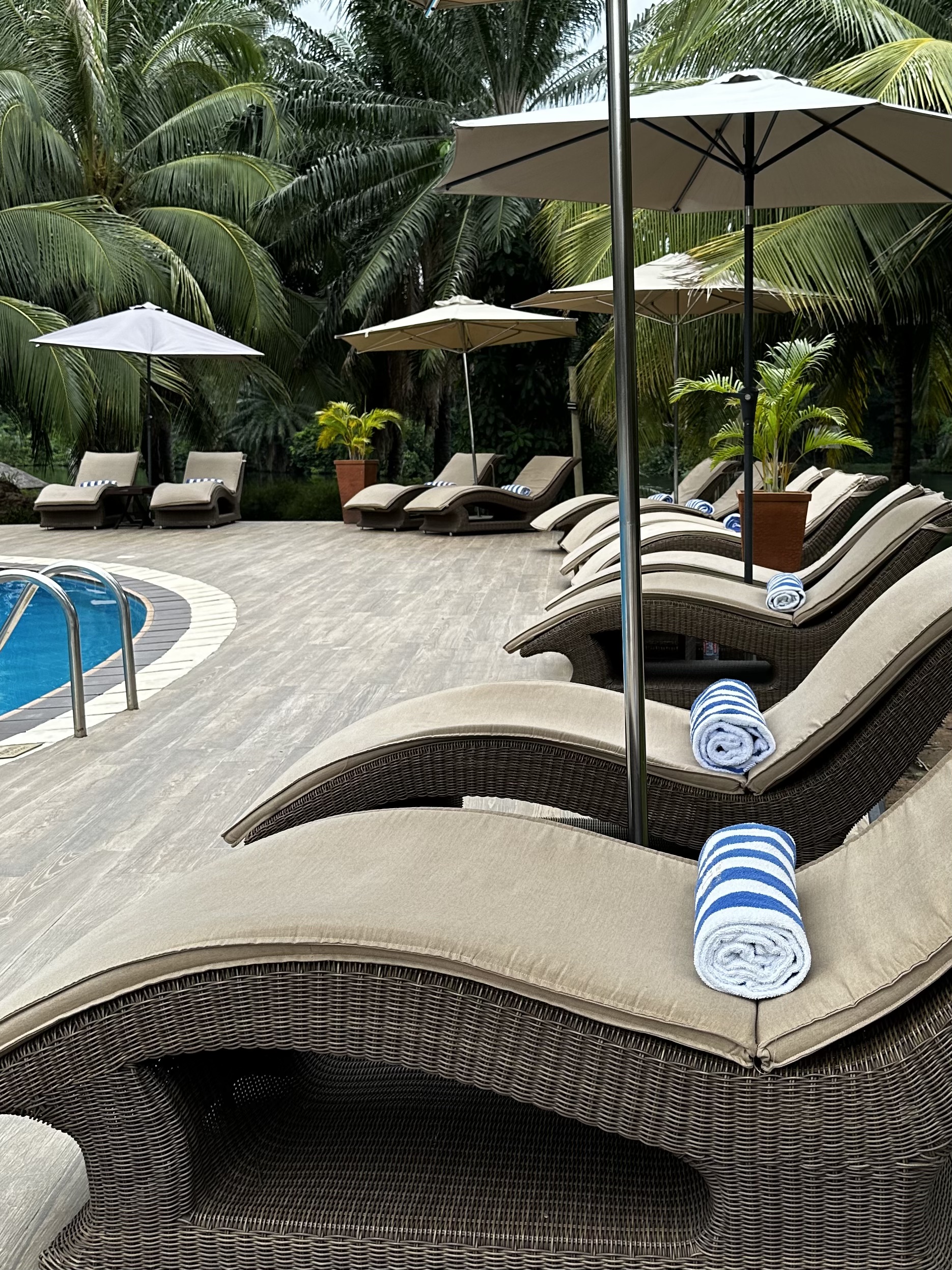
So it was a shock to come across this resort in the middle of nowhere, nestled along a river.
We were treated to a nice lunch with a cultural presentation of intense drumming and dancing. It was quite humid and hot, so for these dancers to have such energy and stamina under these conditions–well, there is no wonder they are so fit. The expressions of their hands and their gestures told a story that no lingual interpretation was necessary.



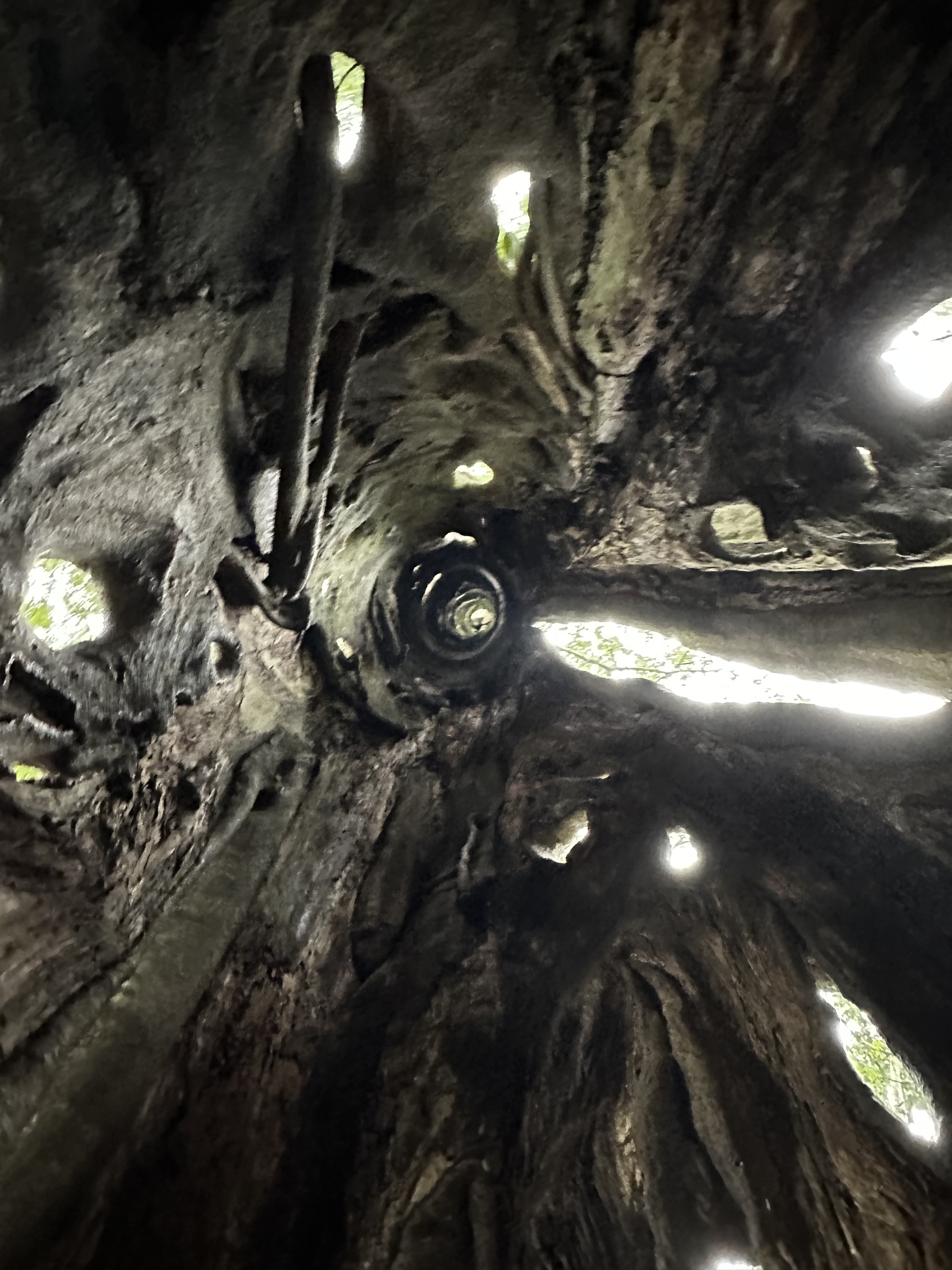
Our last stop was visiting the Aburi Botanical Gardens. We were running behind schedule with both the weather, not looking too promising, and the extra time it took to pry Mae away from the bead place. We had a quick quided tour of this garden of which I have two notables to point out. First: There is a parasitic ficus plant, which took over a larger tree in 1906, eventually replacing it and leaving a hollow center. This is truly the stuff of Sci-Fi, but usually in a much quicker timeframe. You can see varying stages of this on other trees, but there is one in particular that shows the results


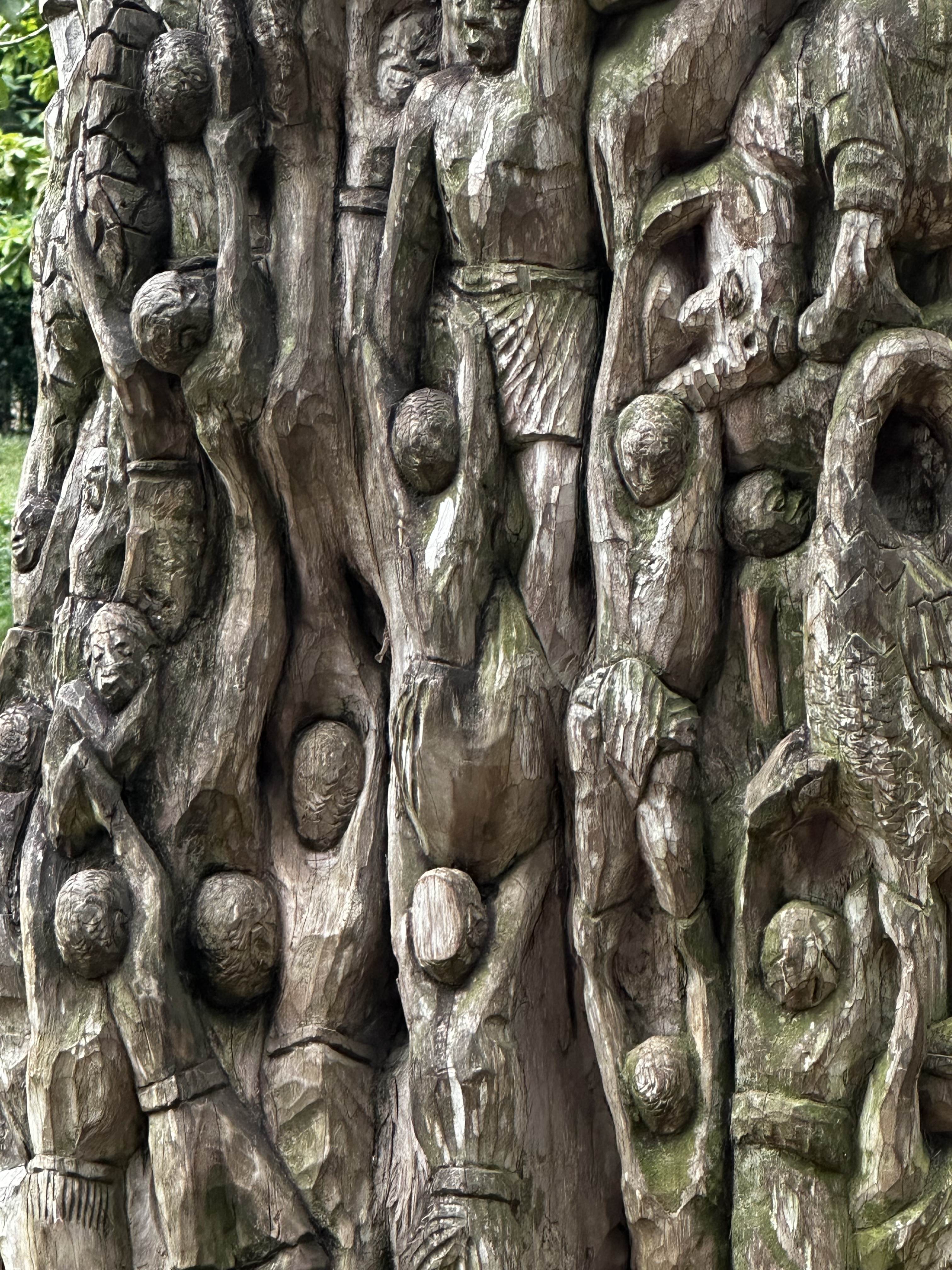
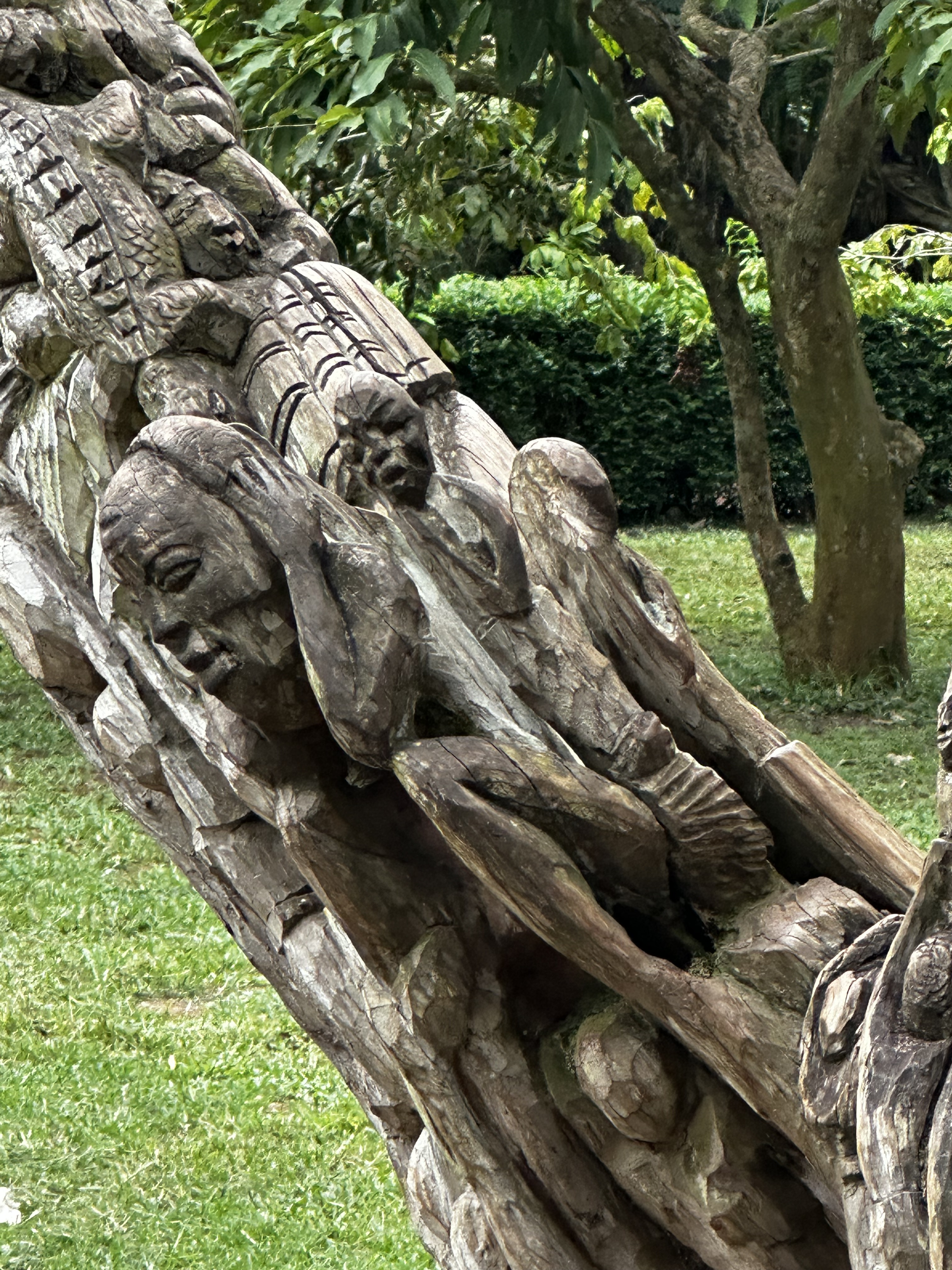
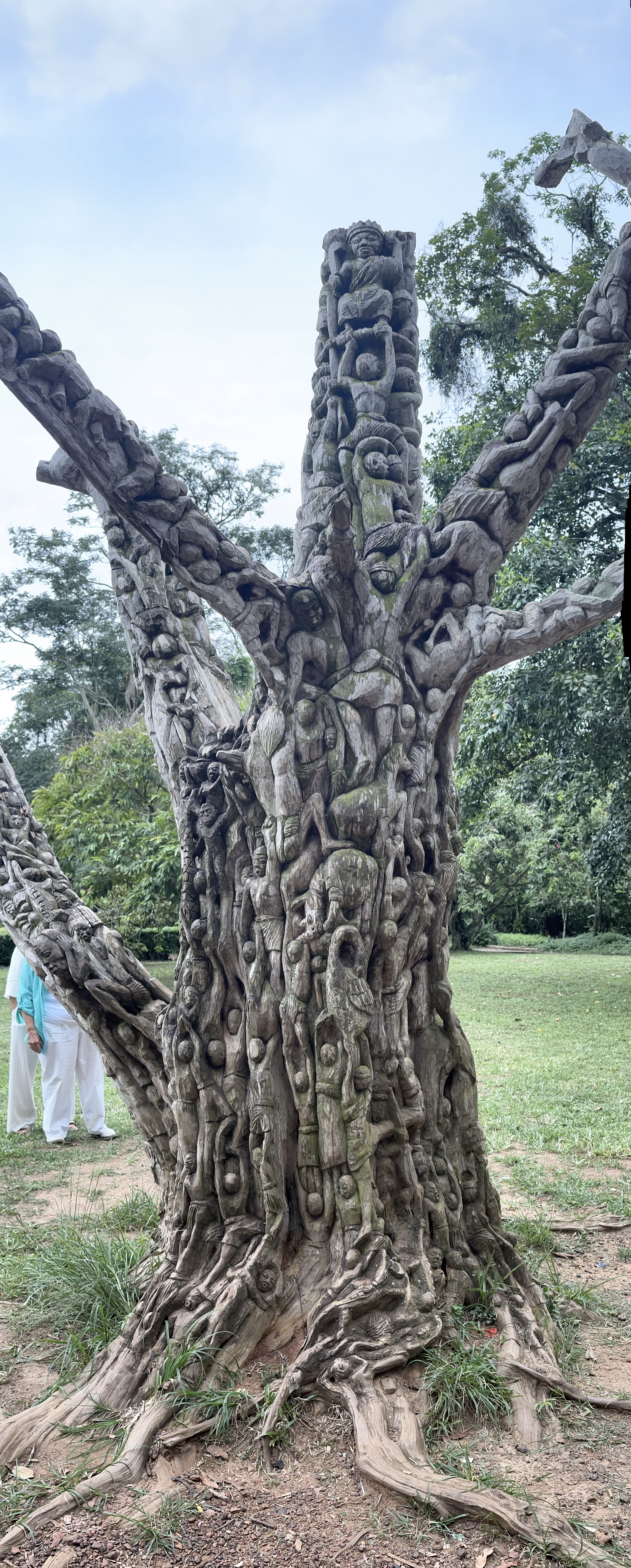
Secondly, The Tree of Life. I cannot remember who our local guide said carved this tree, but the internet has it as an unknown artist about 300 years ago. I think I was so mesmerized by what was in front of me that I tuned out his talk– yes, I was one of those kids who sat in the back of the class. I do remember our guide stating that it represents the poor (at the base) and each person helping each other along the way, reaching their goals (Gods) at the top.

For the ride back to port, the weather had reached a point where the still grey clouds sank to the ground and unloaded. Everything turned the color of ochre, the water thick with silt flooding roads everywhere. But our bus driver was amazing, navigating this large vehicle through crowed and narrow neighborhoods, bypassing the highway we were on that became flooded amid a mile of traffic stopped dead. He got us back just in time, the ship waiting for us.



Having showered, a cocktail poured and catching up on the day… We present the Dress!

 2024 World Cruise
How DOES she manage to look so beautifully fresh after such a day!
Sent from my iPhone
<
div dir=”ltr”>
<
blockquote type=”cite”>
LikeLiked by 1 person
Just add water and she perks right up.
LikeLike