
Picture yourself waking up every morning, parting the curtains of your bedroom, and being greeted by a new vista. That’s the essence of life on a cruise ship. It’s akin to possessing an enormous digital photo frame, each day unfurling a new snapshot of scenic splendor before your eyes.
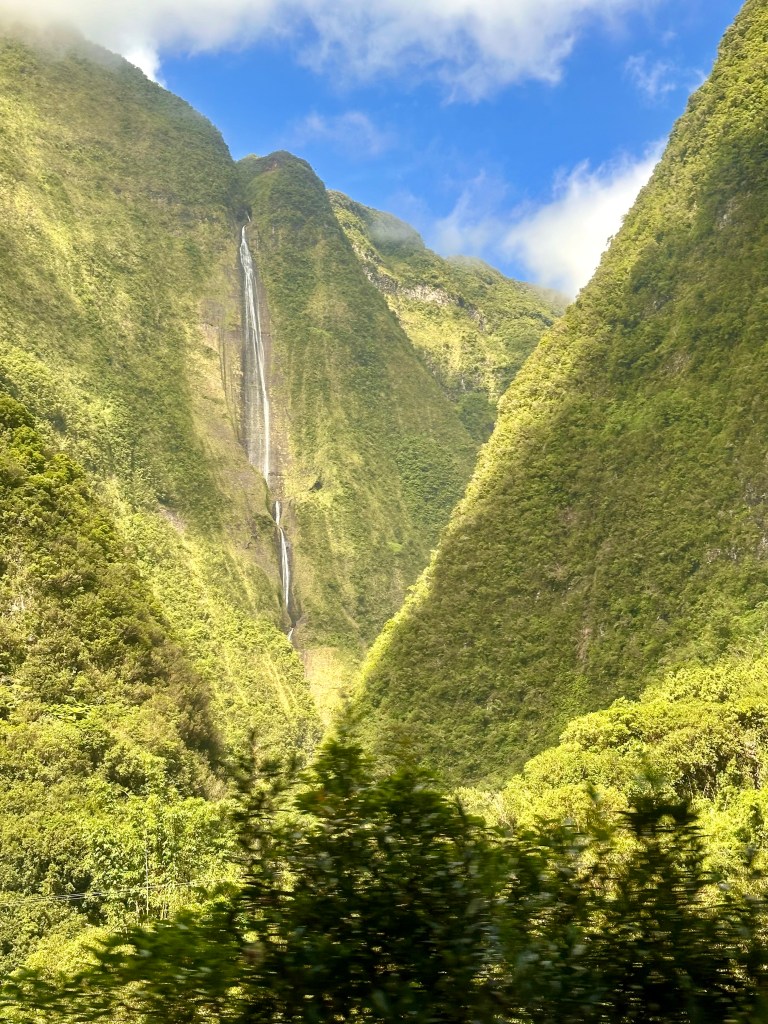
La Reunion is the younger sister of Mauritius, both volcanic in origin but La Reunion is only 2 million years old–– 8 million years younger than her big sister and the prettier one of the two. The island is composed of two volcanoes: Piton de la Fournaise on the south eastern side of the island and still active; and Piton des Neiges, which is slightly taller and now dormant. This island is hard to capture digitally and is like trying to explain the Grand Canyon to someone with a JPEG.
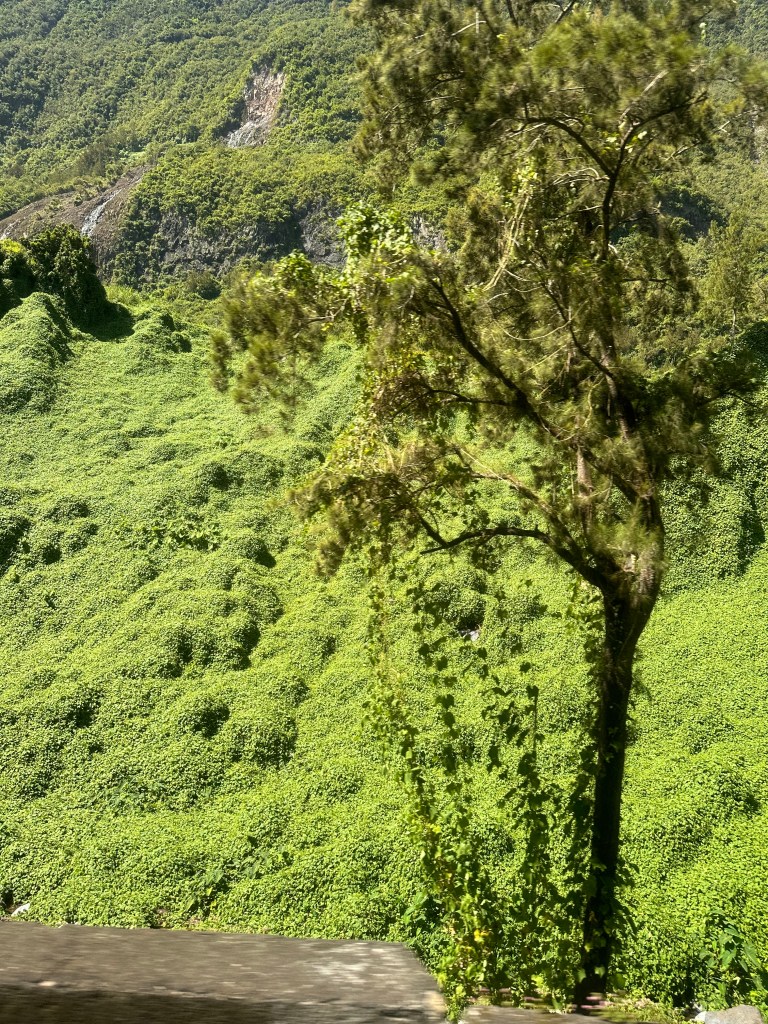
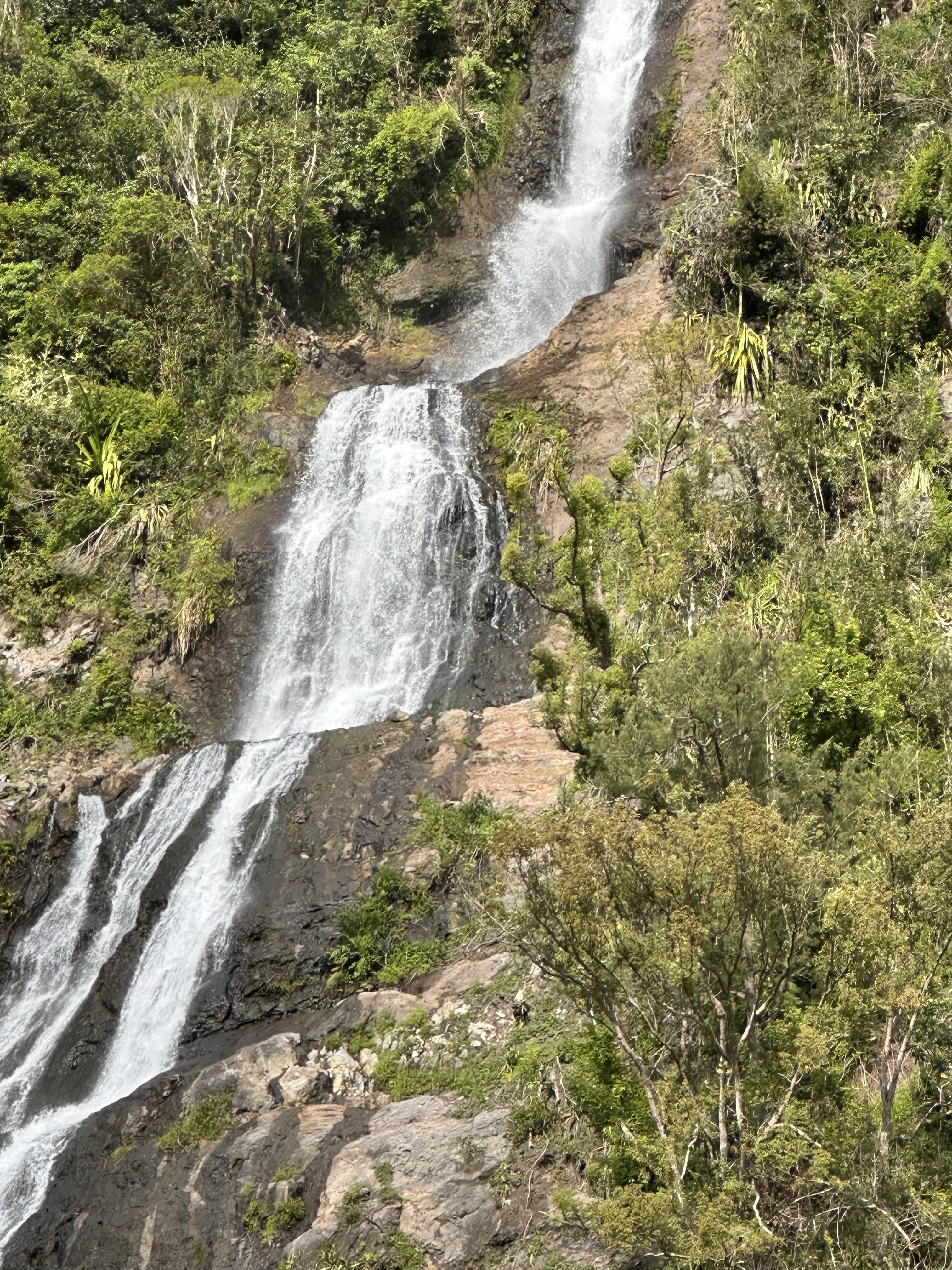
This is an island of waterfalls and home to some of the tallest in the world. Most striking are the shear height and steepness of the cliffs, carpeted in greenery. How anything clings to these rock faces is a mystery.
There is a native vegetable on the island called Chouchou (pronounced Shoo-Shoo), which grows everywhere. It is a cross between a cucumber and squash and served in many dishes.
The island is of French rule and a department of France having all the same voting rights and privileges one would have living in Paris. So if you go into a grocery store, you will find the same items on the shelves.
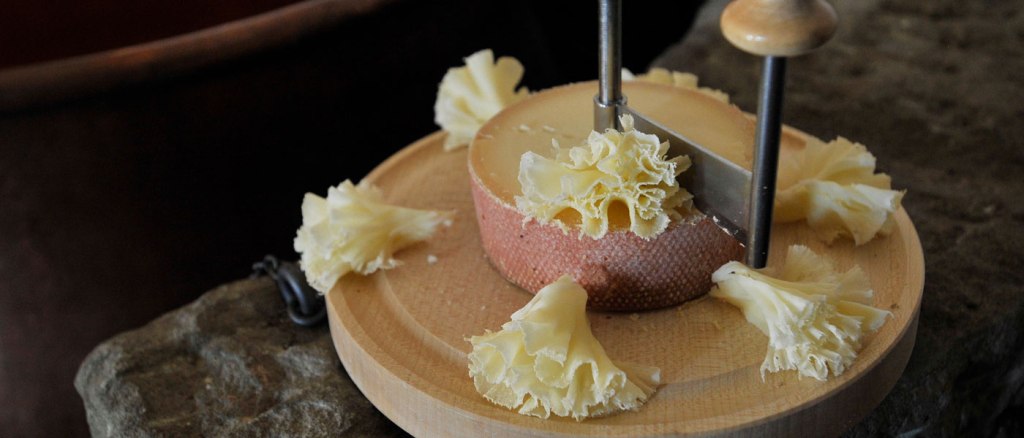
I was so tempted to get an armful of Saucisson and cheeses but it is prohibited to bring such items aboard ship. Besides, Crystal Serenity has a fine selection of meat products and as for cheeses… Oh Mon Dieu! … I have Tête de Moine almost every night and have never seen it served on any other cruise line. A wheel of Tête is placed on a girolle and turning the handle creates paper thin folded florets that release their bouquet. Finding the Tête in your area is not easy, but I have found it in NYC (Grand Central Station Market) as well as on-line. Getting it fresh is key.

Our excursion guide, Susan, is a library of knowledge. She moved to La Reunion, from Germany fifteen years ago to study Sociology and has since established herself as an island guide Extraordinaire, speaking multiple languages. If you are planning a visit to La Reunion, I would highly recommend contacting her through her website at: Voilareunion.re to arrange an island tour. Don’t forget to use the translate feature, located in the upper right corner or at the bottom of the page if using a smartphone.
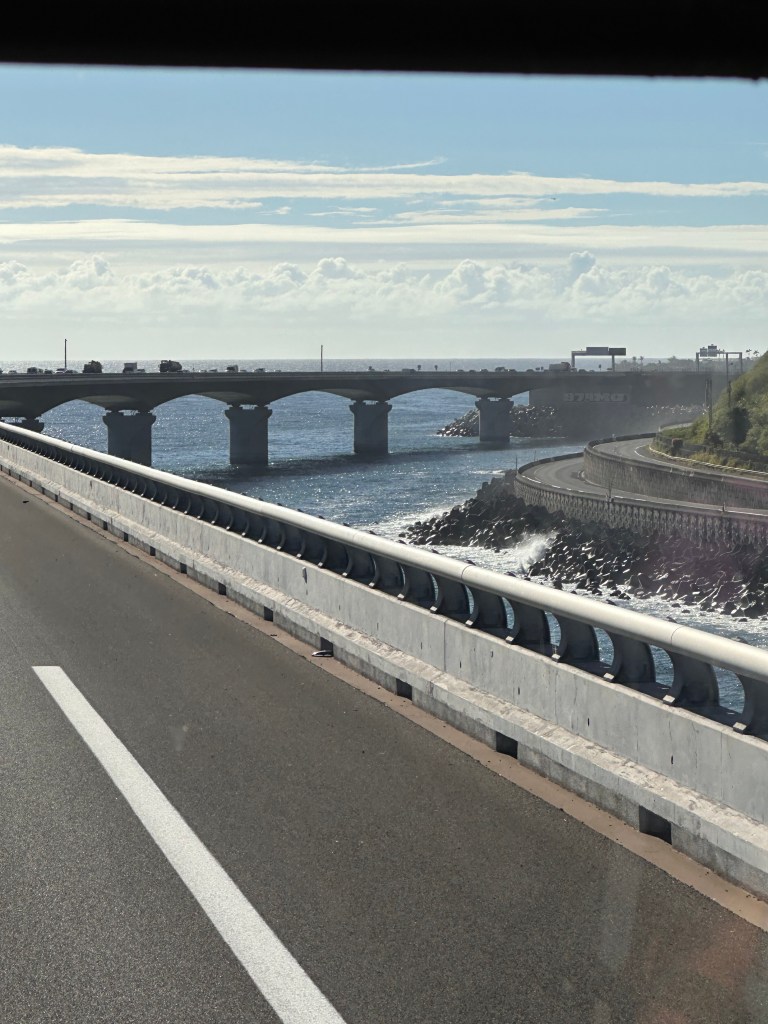
We started early morning from the port and headed along La Reunion’s Coastal Road , which was completed 2 years ago. It was built away from the cliffs along the Indian Ocean due to constant rock slides on the older coastal road. This roadway is an engineering marvel and I could dedicate an entire post to the construction. The 48 stanchions supporting the roadway above the sea are not anchored into the substrate. They are so heavy and composed of 7 slices, each weighing 2,400 tons, stacked upon each other and resting on the sea bottom.
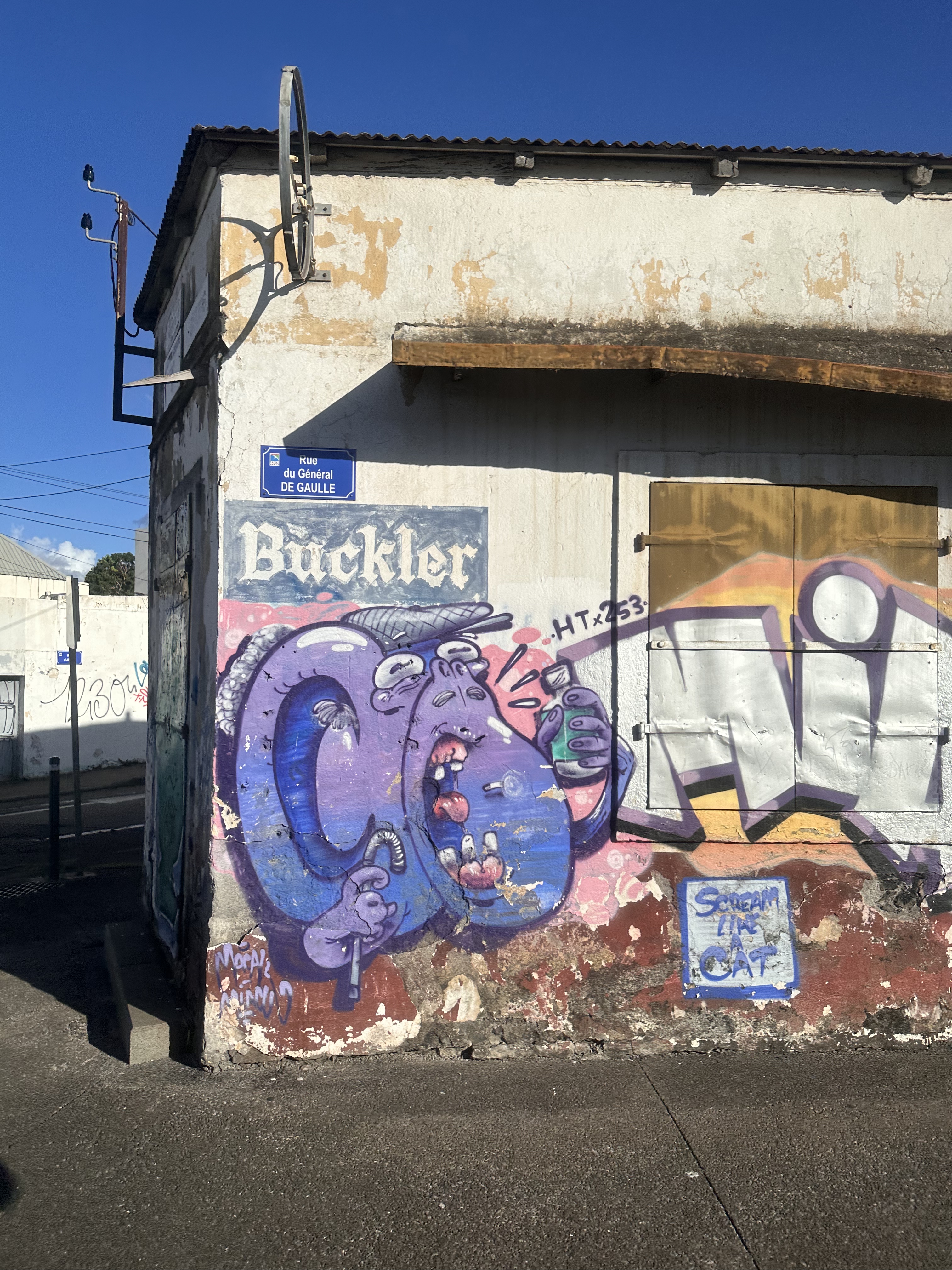
As always, graffiti is my thing and La Reunion has some of the most artistic, cool graffiti I have seen.




Our first stop was a visit to a vanilla farm. Sometimes these cultural stops can be a bit remedial, but a visit here was fascinating and I have a renewed respect for vanilla that I wish to share.
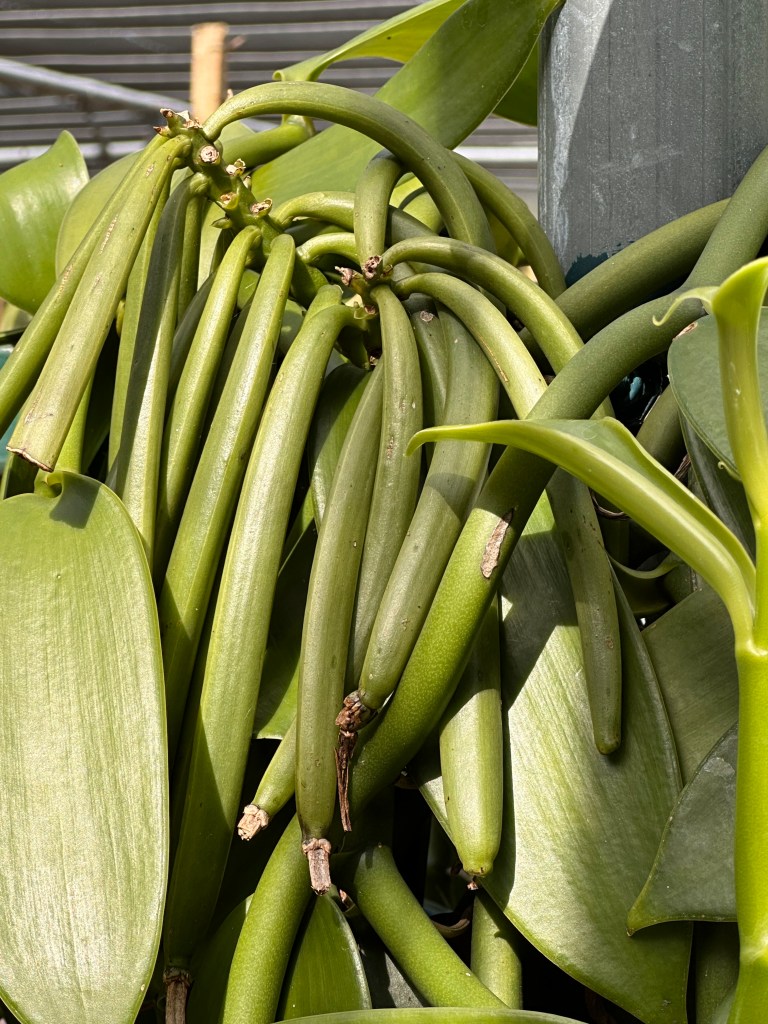
The process from start to finish is a science.

The first accounts of vanilla were from Mexico, where a species of fly provides the pollination, naturally. Attempts to introduce that fly elsewhere have proven unsuccessful.
Edmund Albius grew up on La Reunion and as as young boy was keen to observantion, noting how insects pollinated flowering plants.
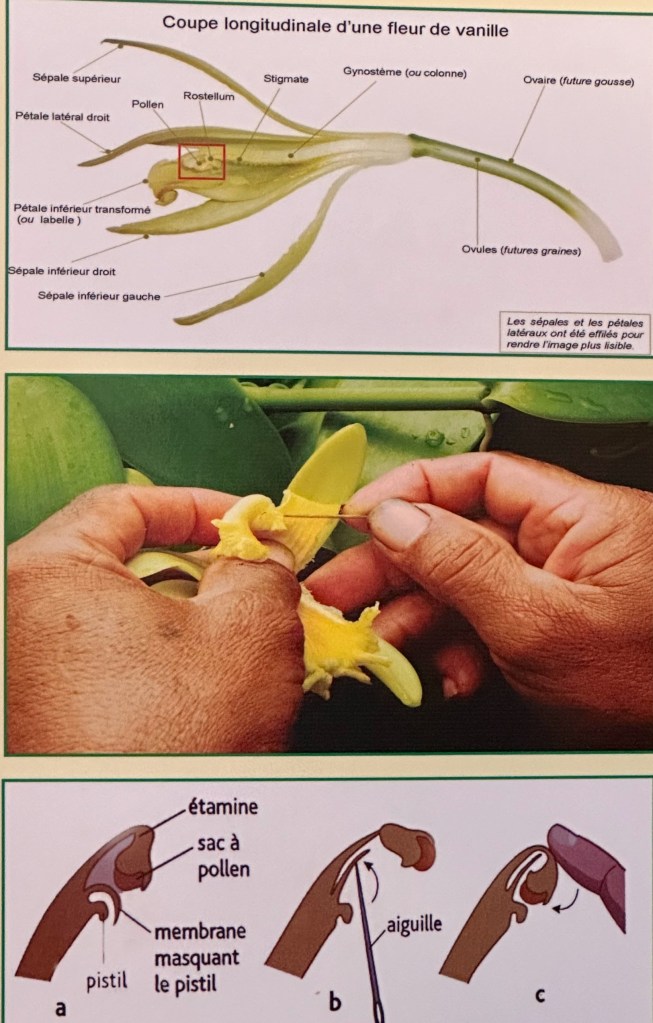
Using his knowledge he developed the process for pollinating vanilla in La Reunion. A process which has become the de facto standard used around the world today.
But be warned, if you are thinking of growing vanilla it takes 4 years for a plant to product a flower and that flower is open for one day. It then takes approximately 2 years to produce a product.
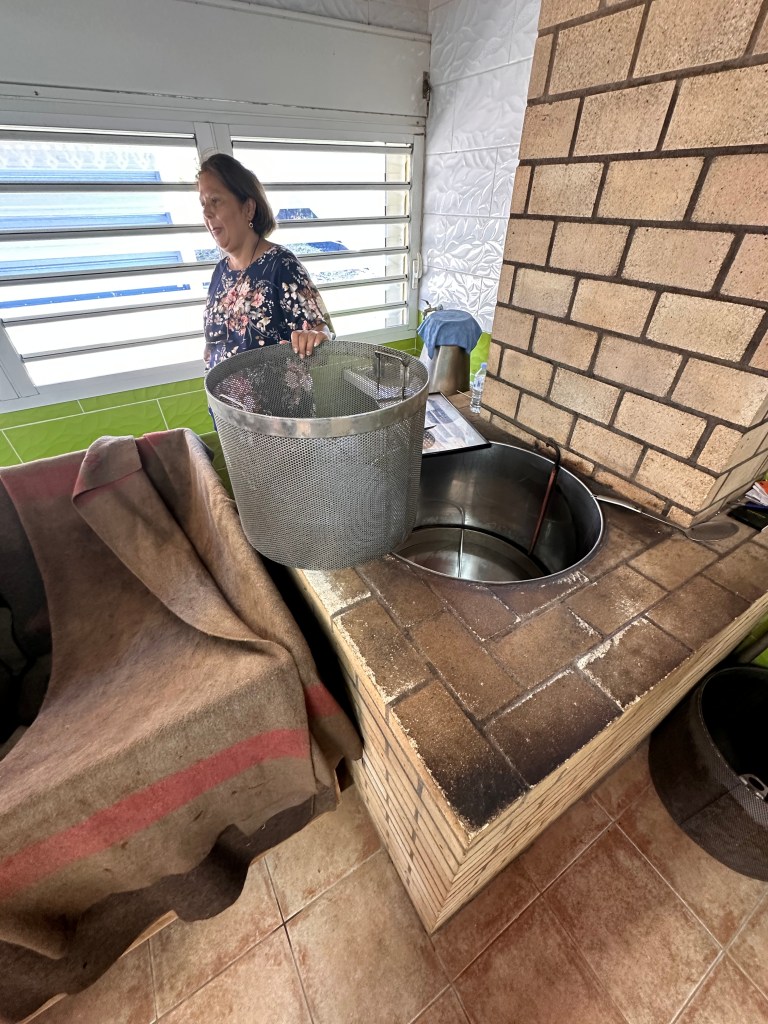
The Vanilla plant is a single vine and propagated by cutting off a Shute and planting that Shute into the soil. Planting from seed would add another year or two. When the beans turn yellow they are cut from the vine and placed into a water bath (65C) for 3 minutes.

Then they are transferred into a wooden box with tarps and covered for 24 hours. Afterwords, they are transferred onto wooden racks and dried in the sun for 2-3 weeks.

After drying to the point where they are still pliable and can be looped into a knot without breaking, they are placed in wooden boxes in bundles, each layer separated by parchment paper and the box is locked (theft). The box is inspected weekly to make sure no fungus is growing and the paper is replaced.

This process lasts 9 months. To make vanilla (liquid) vanilla beans are split open and placed into an alcohol solution (sugar cane) until the alcohol evaporates. This process takes several months.
This is why vanilla is so expensive. When buying vanilla beans, you should be able to take a bean and roll it between your fingers feeling a soft leathery outer coating and the inside slightly sticking as you roll it. Beans you typically buy are dried out and beyond their prime. It takes only a dropper two of this vanilla as compared to the teaspoons used in recipes.
After the vanilla farm, of which you are now an expert, we drove through the mountains taking in the waterfalls, small towns, and vistas. All breathtakingly beautiful.

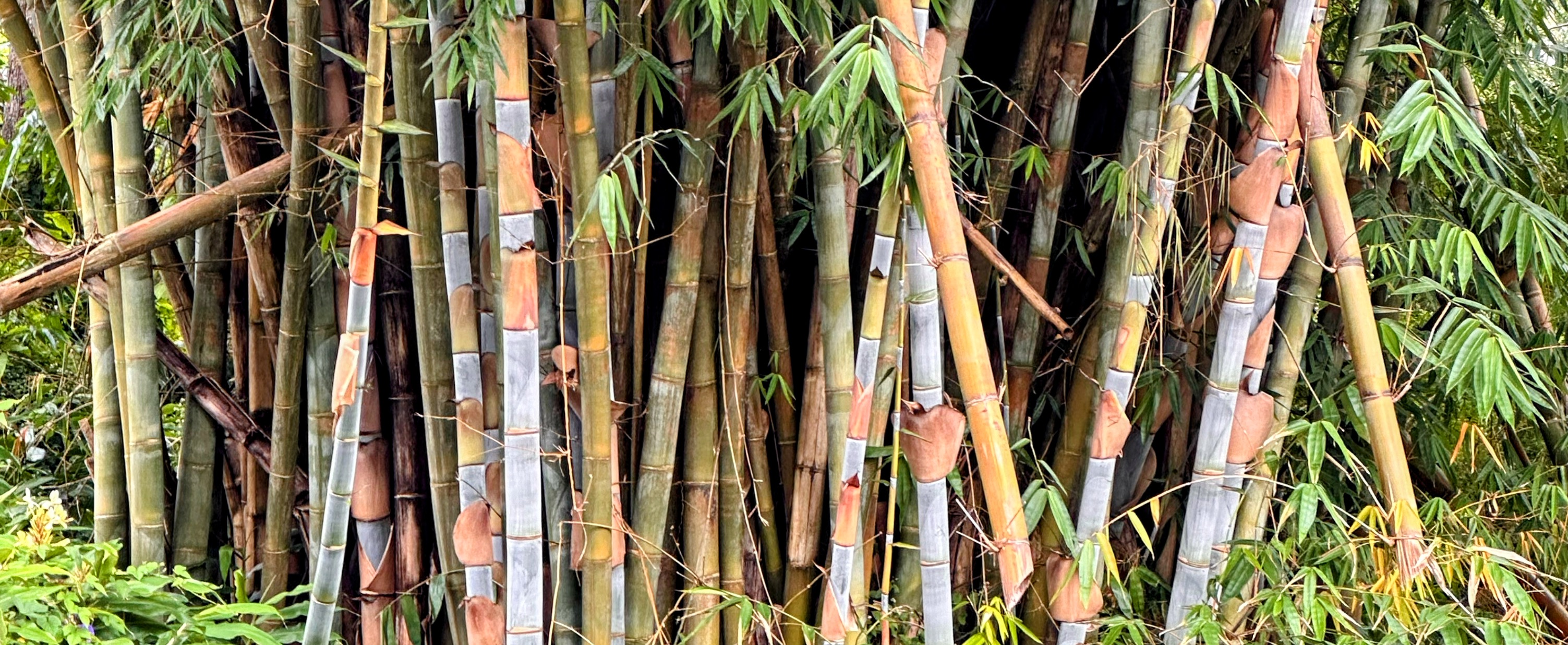
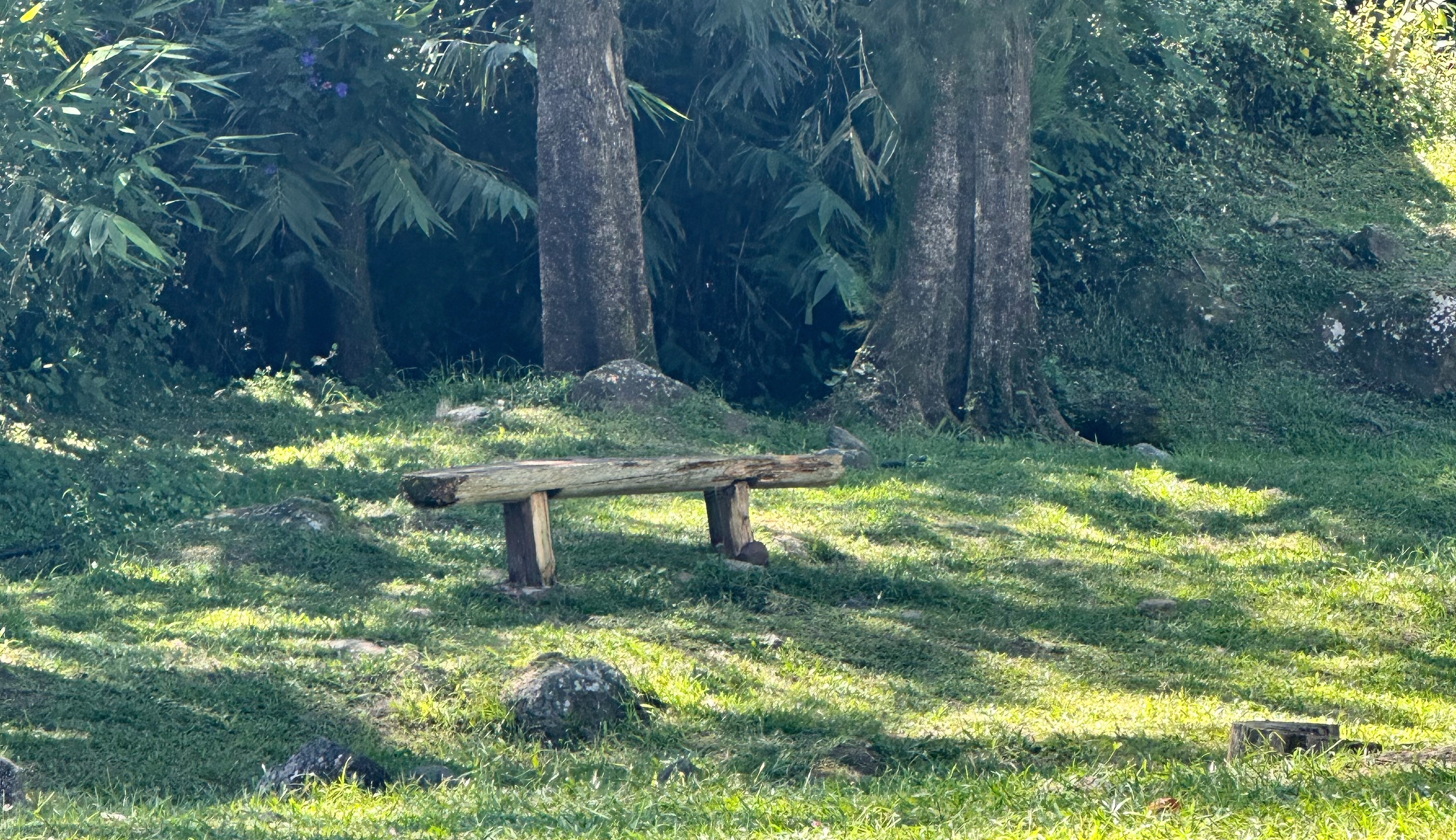


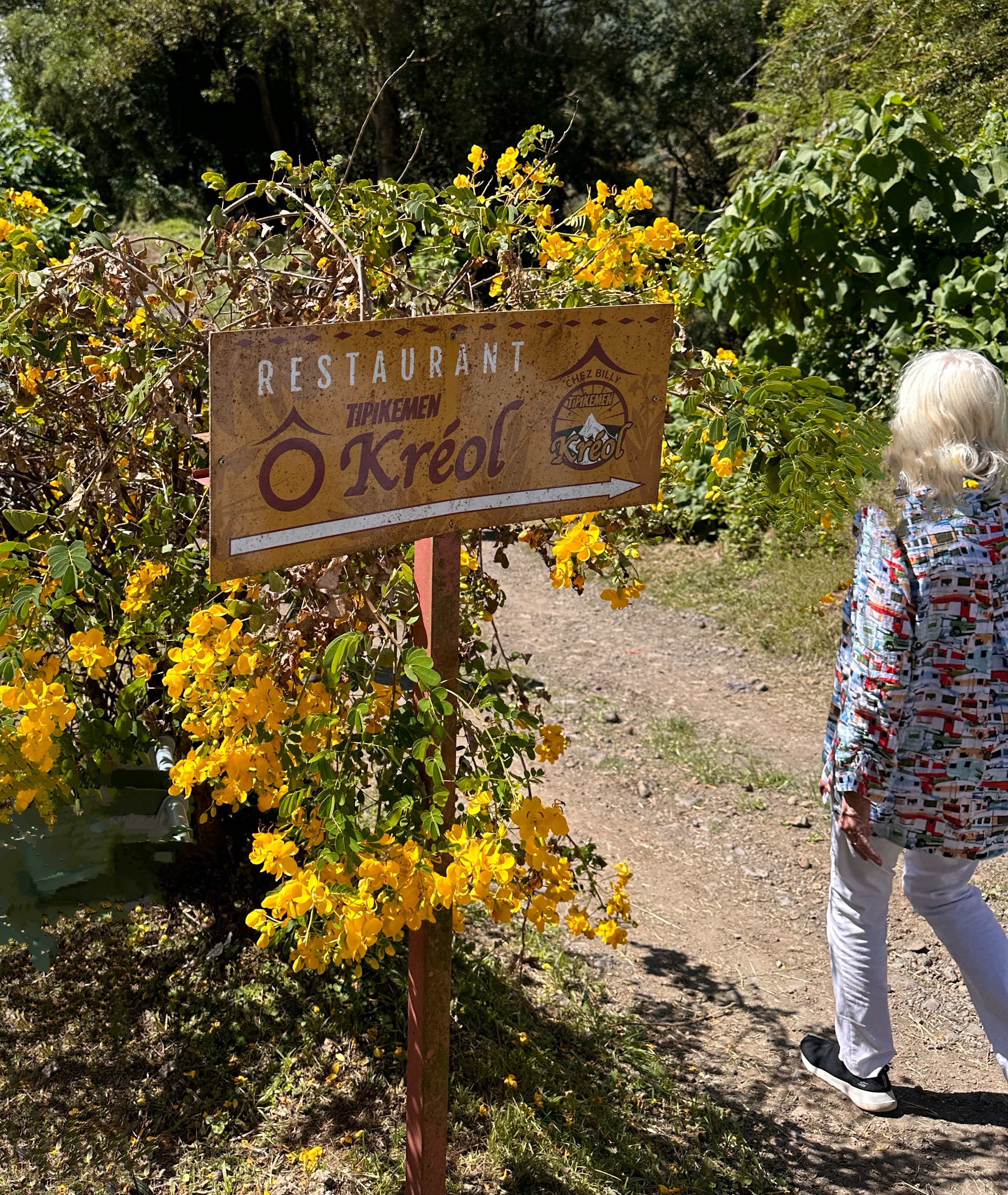
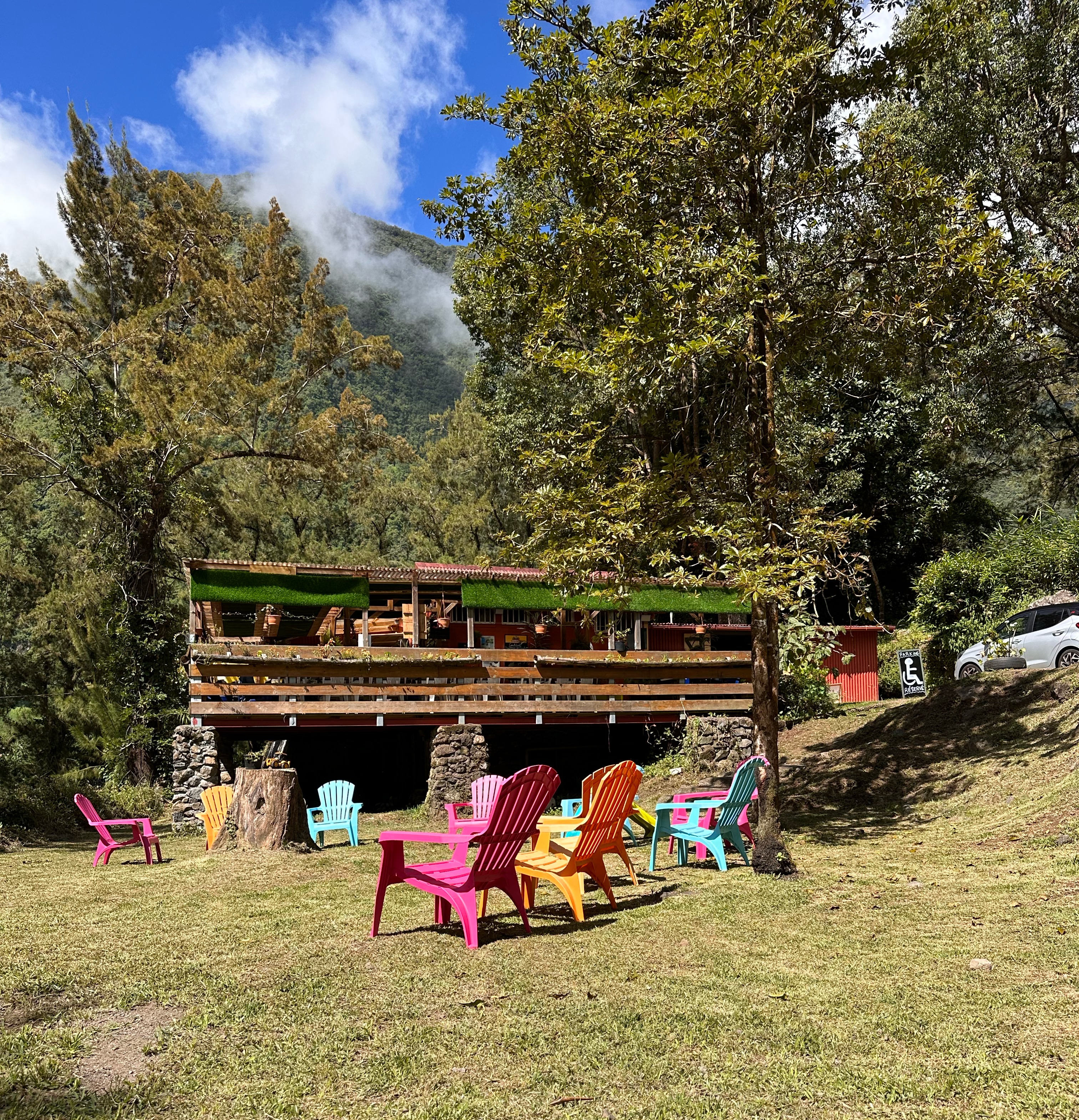
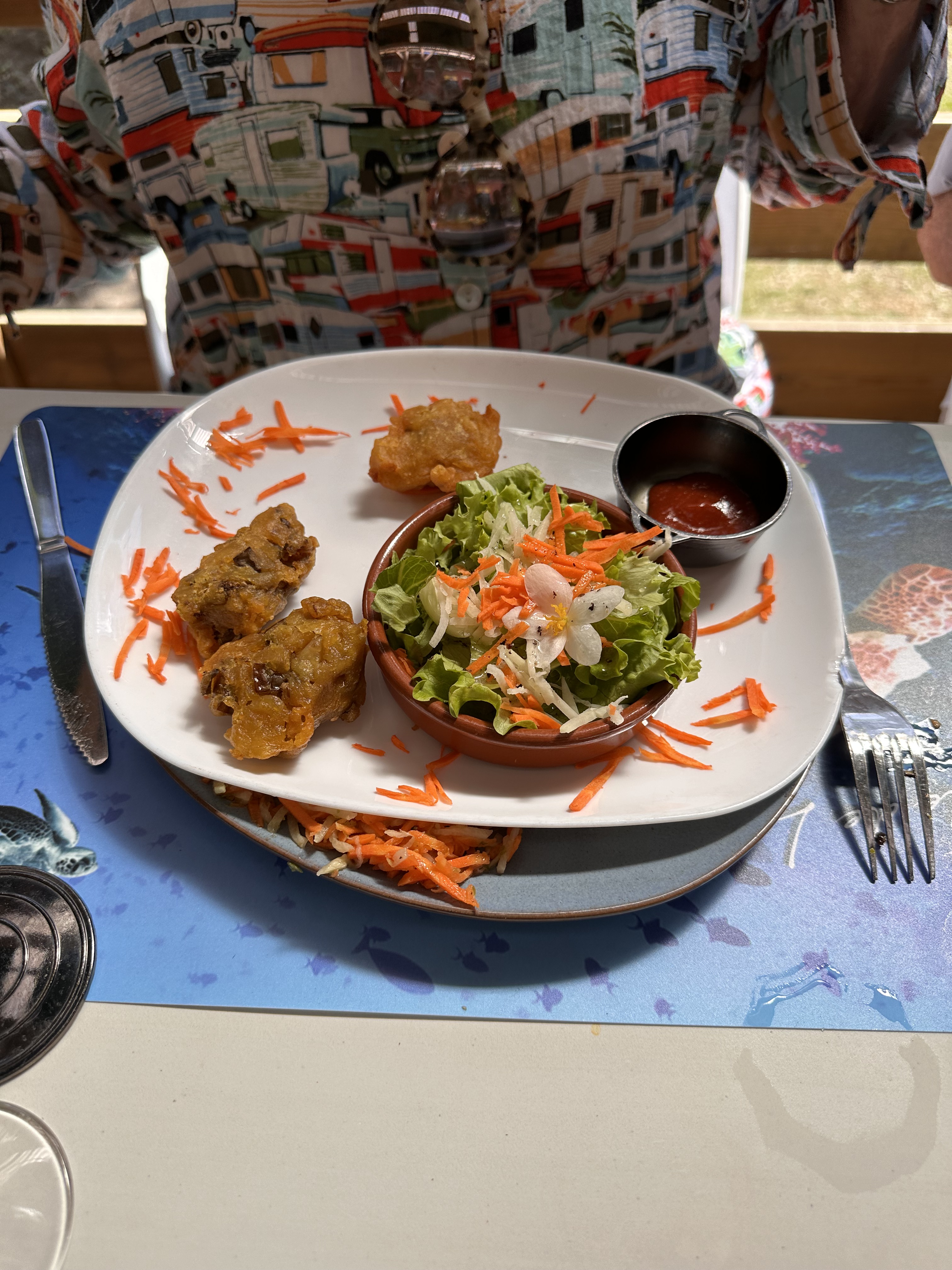
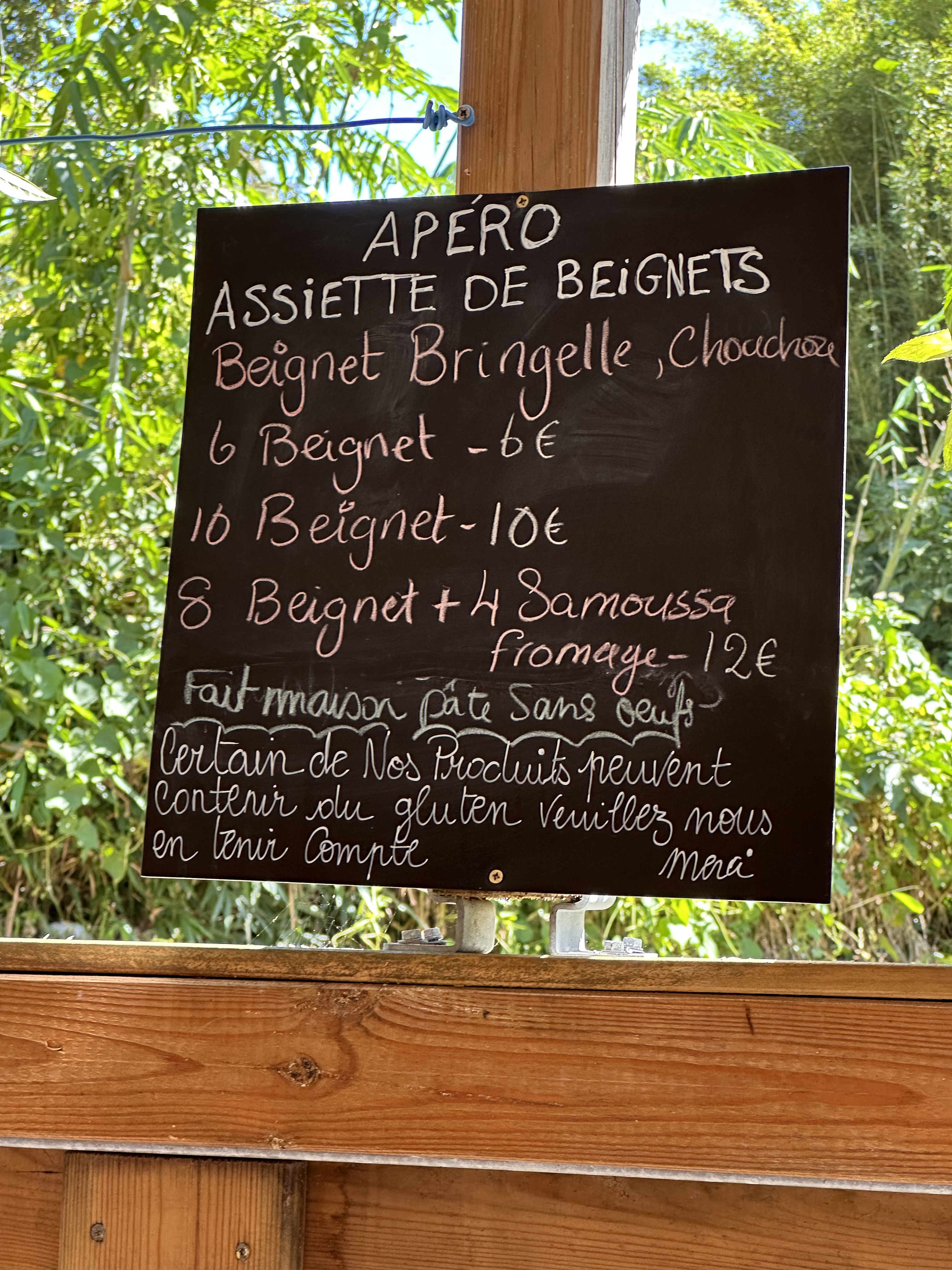
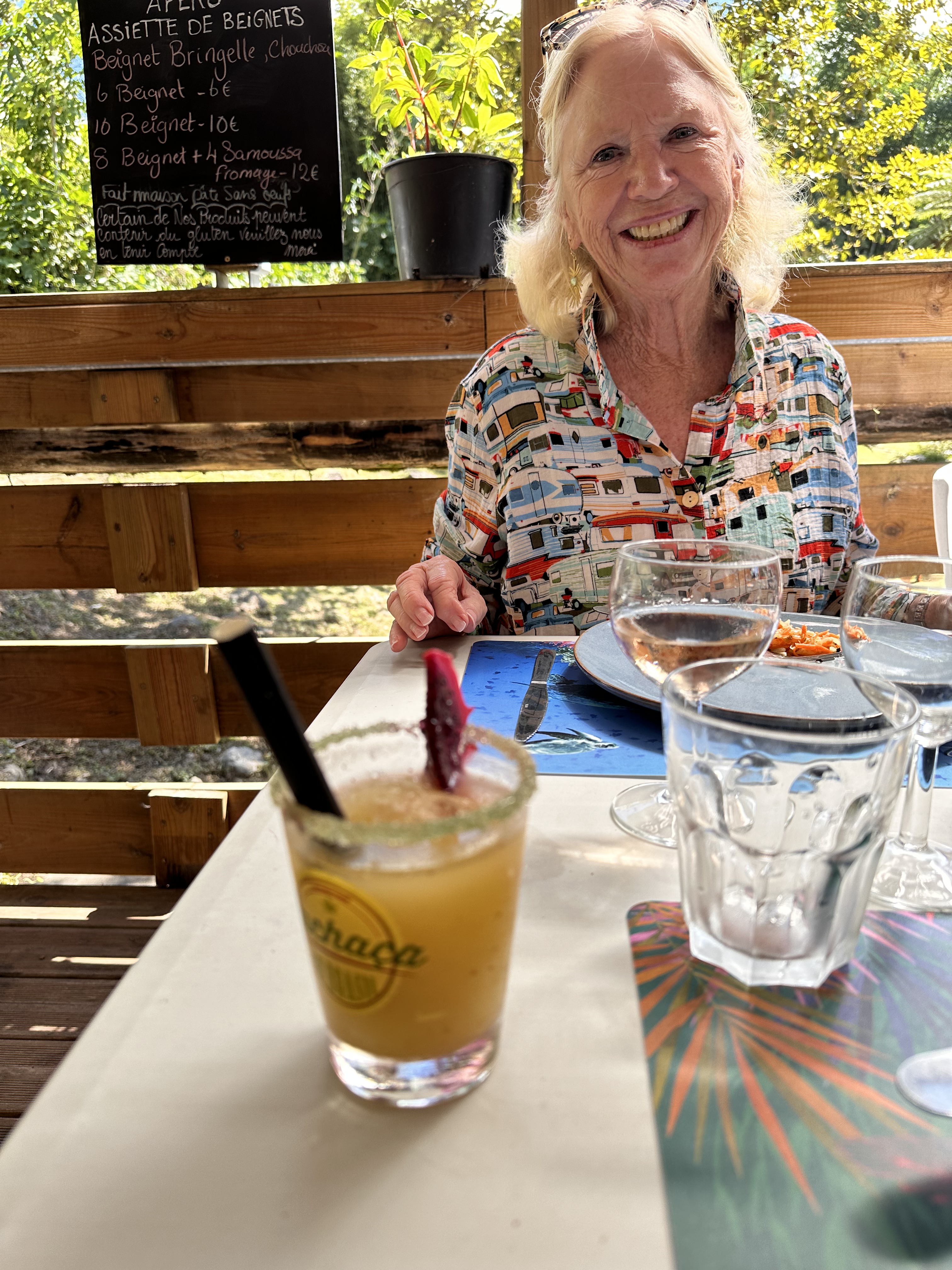
Then off to a lunch at a charming little outdoor restaurant (Kreol) in Hell-Bourge, where the food was delicious, the service friendly, attentive and very accommodating. Here I had a Dodo beer, which the island is known for and it was delicious.


Then back to the ship after a full day’s excursion, just in time for the dress.


The photos are breathtaking! I haven’t even heard of some of these islands – you are giving me quite an education!
LikeLiked by 1 person
All these islands and most of S Asia drive on the left side of the road. I can’t imagine driving on the right anymore and it will seem wrong when we get home.
LikeLike
I am enjoying living vicariously through your blog. I am learning so much and amazed at the photos.
LikeLiked by 1 person
I’m not growing vanilla anytime soon will stick with broccoli and tomatoes.
LikeLiked by 1 person
Getting caught up on your journey. Great pictures and narrative in all your posts. And I know have a new appreciation of vanilla!
LikeLike